Customer experience is often treated as something owned by specific teams or functions. But in reality, it is shaped across the entire organization, through people, culture, and everyday decisions.
What happens inside the business does not stay inside. It shows up in how work gets done, how teams collaborate, and ultimately, in the experience customers receive.
Sustainable performance is built from within, through leadership, trust, alignment, and a clear understanding of how people contribute to a larger goal.
Drawing from Gary’s perspective, these lessons explore what organizations need to get right internally to deliver stronger outcomes externally.
Here are 10 lessons that bring this connection to life:
🌟Delivering value to customers is the core purpose of any business, and this is ultimately achieved through people. The connection between Employee Experience and Customer Experience is therefore fundamental, not optional.
🌟Sustainable success is intentional. As explored in Good to Great and Built to Last, organizations that endure focus on building strong teams, developing capability, and maintaining long-term discipline.
🌟Leadership evolves with responsibility. Senior roles require a shift from direct execution to enabling performance through others, with impact measured by collective output rather than individual contribution.
🌟People, culture, and performance operate as an interconnected system. Strength in one reinforces the others, while weakness in any area limits overall organizational effectiveness.
🌟High-performing teams are the result of deliberate effort. They require time, shared experiences, and a deep level of trust, without which alignment and performance begin to erode.
🌟Empowerment is only effective when supported by the right environment. Decision-making, risk-taking, and learning from mistakes depend on a culture where individuals feel safe and supported.
🌟Organizational culture is shaped at the top. Without visible commitment and consistent behavior from leadership, initiatives around employee and customer experience remain theoretical.
🌟Strategy becomes meaningful only when translated into clear roles and actions. Clarity of contribution enables alignment and ensures that daily activities support broader organizational goals.
🌟Employee satisfaction alone does not drive performance. Engagement, reflected in ownership, initiative, and willingness to contribute is a stronger indicator of a healthy organization.
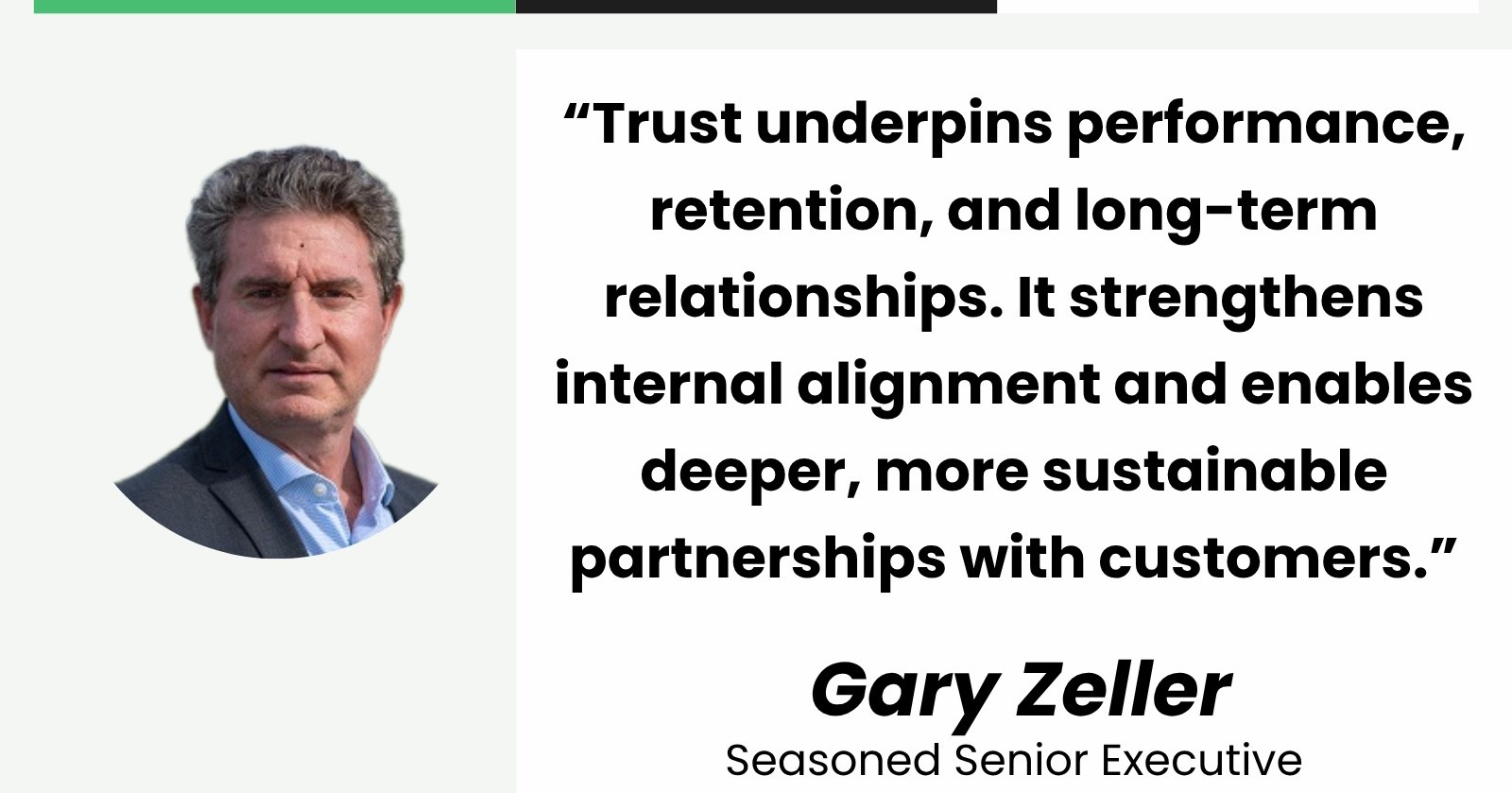
🌟Trust underpins performance, retention, and long-term relationships. It strengthens internal alignment and enables deeper, more sustainable partnerships with customers.