Employee experience is increasingly becoming a defining factor in how organizations perform, engage talent, and deliver results. While many organizations invest heavily in policies, systems, and defined workplace expectations, there is growing evidence that outcomes are shaped less by what is designed and more by what is actually experienced in practice.
In the case of Gen Z in the workplace, expectations are clearly articulated, yet the real challenge lies in execution and consistency. What employees expect is not always what they experience, and this gap has direct implications for engagement, performance, and retention.
Drawing from Dr. Lucy Kiruthu’s research and insights, the following lessons highlight the relationship between Gen Z workplace needs, employee experience, and organizational outcomes.
Here are 10 lessons that bring this connection to life:
🌟Employee experience is a critical driver of workplace outcomes, and its influence is far stronger than assumptions about employee needs alone. What happens in the employee journey directly shapes engagement, satisfaction, performance, and retention.
🌟Understanding what employees want is not the central challenge. The real gap lies in consistently delivering those expectations through everyday workplace experiences.
🌟Gen Z workplace priorities are clearly defined and consistent across contexts, with flexibility, inclusion, career growth, and supportive leadership emerging as dominant expectations.
🌟Despite clear expectations, there is a persistent misalignment between what Gen Z employees value and what they actually experience within organizations.
🌟Employee needs on their own do not strongly predict employee experience. Experience is shaped more by execution than by stated expectations or policy design.
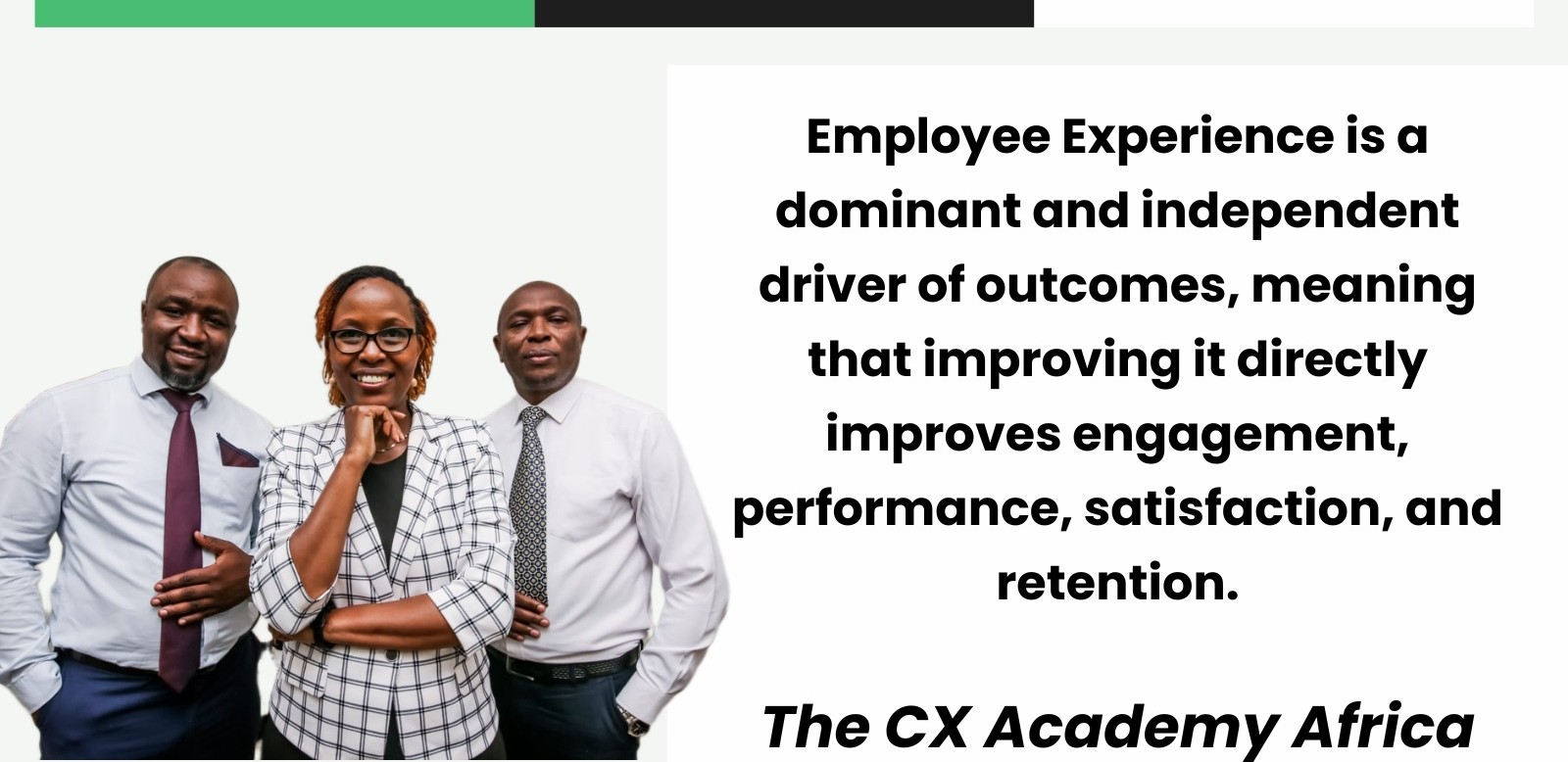
🌟Employee Experience is a dominant and independent driver of outcomes, meaning that improving it directly improves engagement, performance, satisfaction, and retention.
🌟Manager behavior is the most critical delivery mechanism of employee experience. The quality of leadership interaction has a direct impact on how employees perceive their workplace.
🌟Policies alone are not sufficient to shape experience. The consistency, fairness, and visibility of how those policies are applied matter more than their existence.
🌟A significant experience gap exists across organizations regardless of industry, geography, or organizational type, indicating a systemic rather than isolated challenge.
🌟Trust, transparency, and career visibility are key determinants of whether Gen Z employees remain engaged or begin to disengage and seek opportunities elsewhere.