Customer experience (CX) is often seen as dashboards, tools, or processes. But as Christine reminded us this week, CX is all about people. It’s about learning, listening, and leading with clarity. These lessons aren’t just professional takeaways—they’re mindset shifts for every CX leader.
Here are 10 powerful lessons that highlight why CX must be human-centered, data-informed, and purpose-driven:
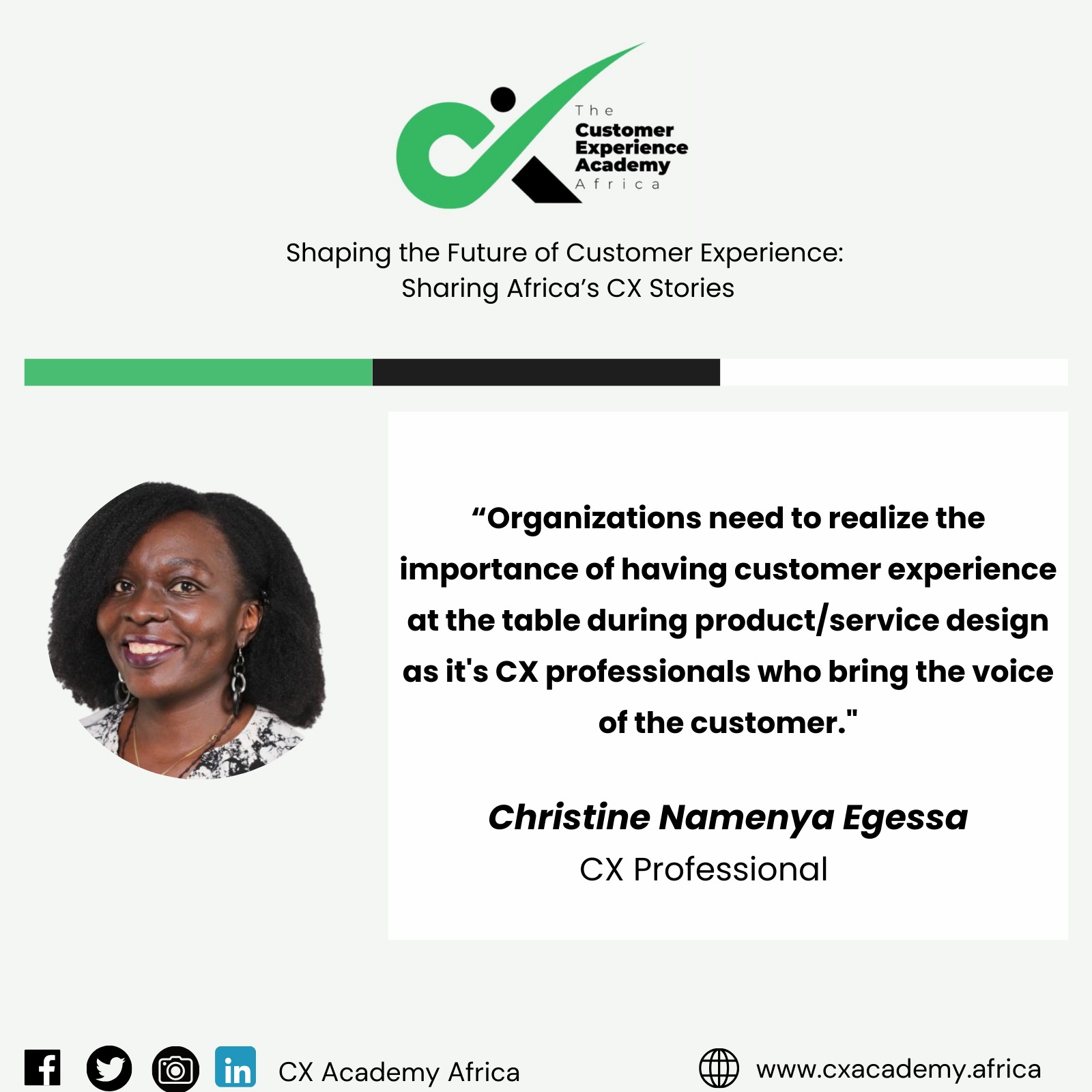
- Organizations need to realize the importance of having customer experience at the table during product/service design as it’s CX professionals who bring the voice of the customer.
- At the C-suite level, customer experience is often seen as a support function, not a revenue driver. To change this, CX must be tied to ROI and shown as a strategic business value.
- When departments like marketing and tech, work in silos, customer experience becomes reactive — it’s brought in too late, after product and pricing are set. CX should be involved from the beginning.
- Customer experience must be part of an organization’s core strategy — not an afterthought.
- We need to shift from simply gathering customer insights to actually integrating them into product/ service design.
- To get leadership buy-in, CX professionals must connect the dots — showing how losing a customer impacts revenue and how much more effort and cost it takes to win them back.
- Bringing real customer stories and data to senior leadership makes the customer real — when they see the impact of their decisions on actual people, it shifts the conversation from abstract to urgent.
- When CX teams regularly present customer voice in leadership meetings, it embeds a customer-centric thinking into decision-making.
- Sharing real calls and raw sentiments, helps change the perception of CX at the top, making leadership more empathetic and action-oriented.
- Immersive programs like ‘Sit by Nelly,’ where executives listen to real customer calls, are powerful in creating empathy and awareness.