During one of our recent World of CX virtual breakfasts, we had the privilege of learning from Dr. Margaret, a counselling psychologist whose calm wisdom and lived experience reminded us that behind every customer interaction is a human being, sometimes carrying more than we can see.
Whether you’re managing a team, handling customers, or just trying to navigate work and life with more empathy, these lessons are a reminder that emotional intelligence is just as important as technical skill.
Here are 10 takeaways from her session that stayed with us:
- Always work with facts, use information, evidence, and data to understand what’s really going on. It helps you make better decisions and respond to situations in a clear, informed way.
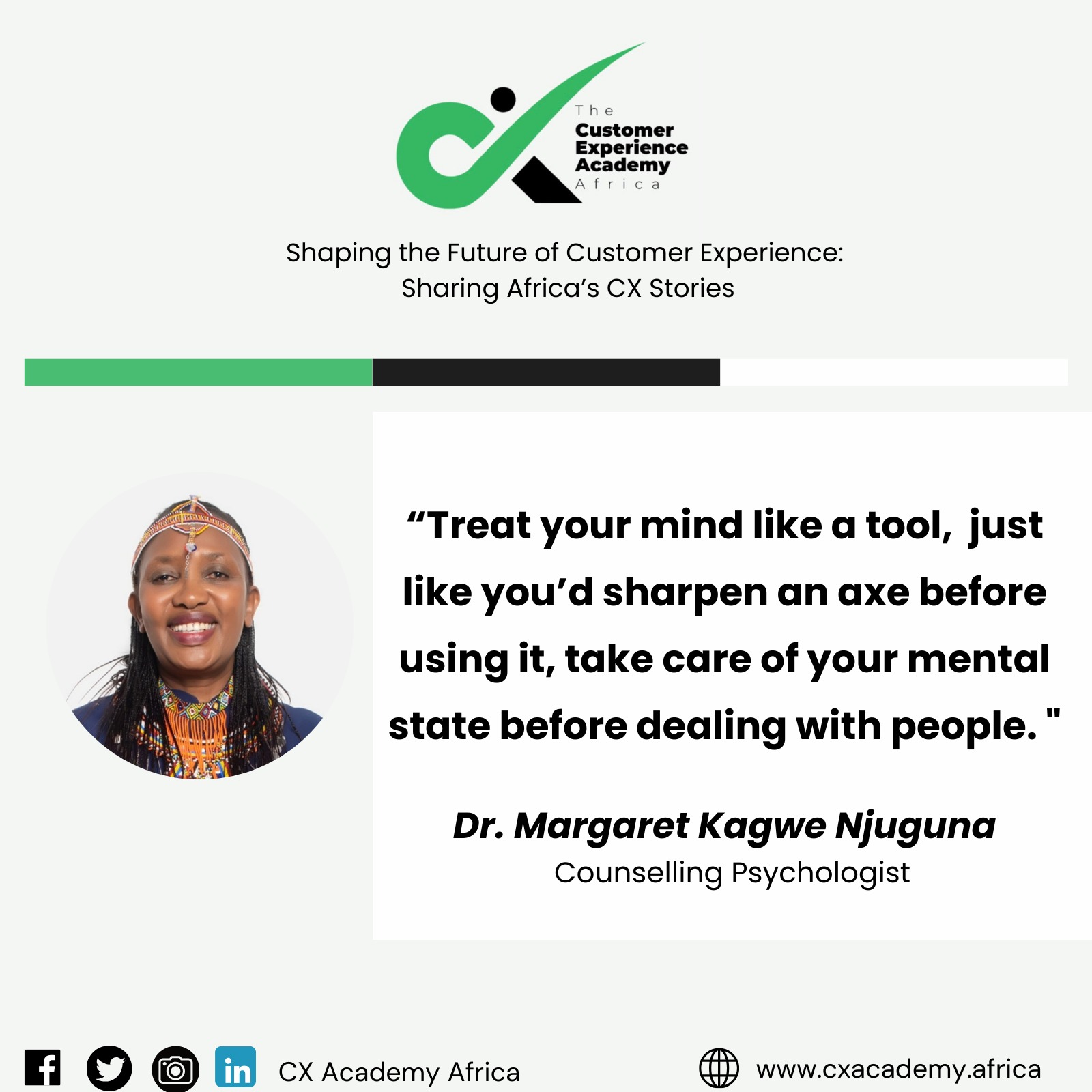
- Treat your mind like a tool, just like you’d sharpen an axe before using it, take care of your mental state before dealing with people. Your attitude shows up in how you speak, so check in with yourself first.
- Don’t skip planning; many times, we don’t take the time to think things through. Ask yourself what could go right or wrong, and be ready for both. Planning makes everything smoother.
- Unhappy customers aren’t always mad at you; they might be going through something personal. Stay calm, do your best to help, and if you can’t solve it, at least don’t make things worse. A little kindness goes a long way.
- Say “I” instead of “you” when things get tense, for example, “I feel concerned about this” instead of “You always mess this up.” It keeps the conversation more respectful and less confrontational.
- Be mindful of your words; how you speak matters. Your tone and choice of words can either calm things down or make them worse. Think before you speak—especially under pressure.
- Pay attention to signs of burnout. If someone’s always tired, missing deadlines, or just not themselves, they might be struggling. And that someone could be you, too. It’s okay to pause and ask for help.
- Companies should support mental health, having a proper policy in place makes it easier for people to speak up, get help, and feel supported. It’s not just about productivity—it’s about people.
- Mental struggles are normal; not every issue is huge. Sometimes we’re just feeling low or overwhelmed. Workplaces should create a space where it’s okay to talk about those things without fear.
- Know yourself; self-awareness helps you handle tough situations better. When you understand your triggers and listen to feedback, you become more grounded, confident, and better with others, too.