Employee experience is not something people read in policies, it is something they feel in their everyday work. Most of us can remember a place where we felt supported, where expectations were clear, and where we were valued. And just as easily, we can remember when that was not the case.
What shapes those experiences is not just what organizations design, but what happens daily, how leaders communicate, how decisions are made, and how people are treated in the moment.
Even within the same organization, with the same policies, teams can have completely different experiences. The difference often comes down to how leaders translate intention into reality.
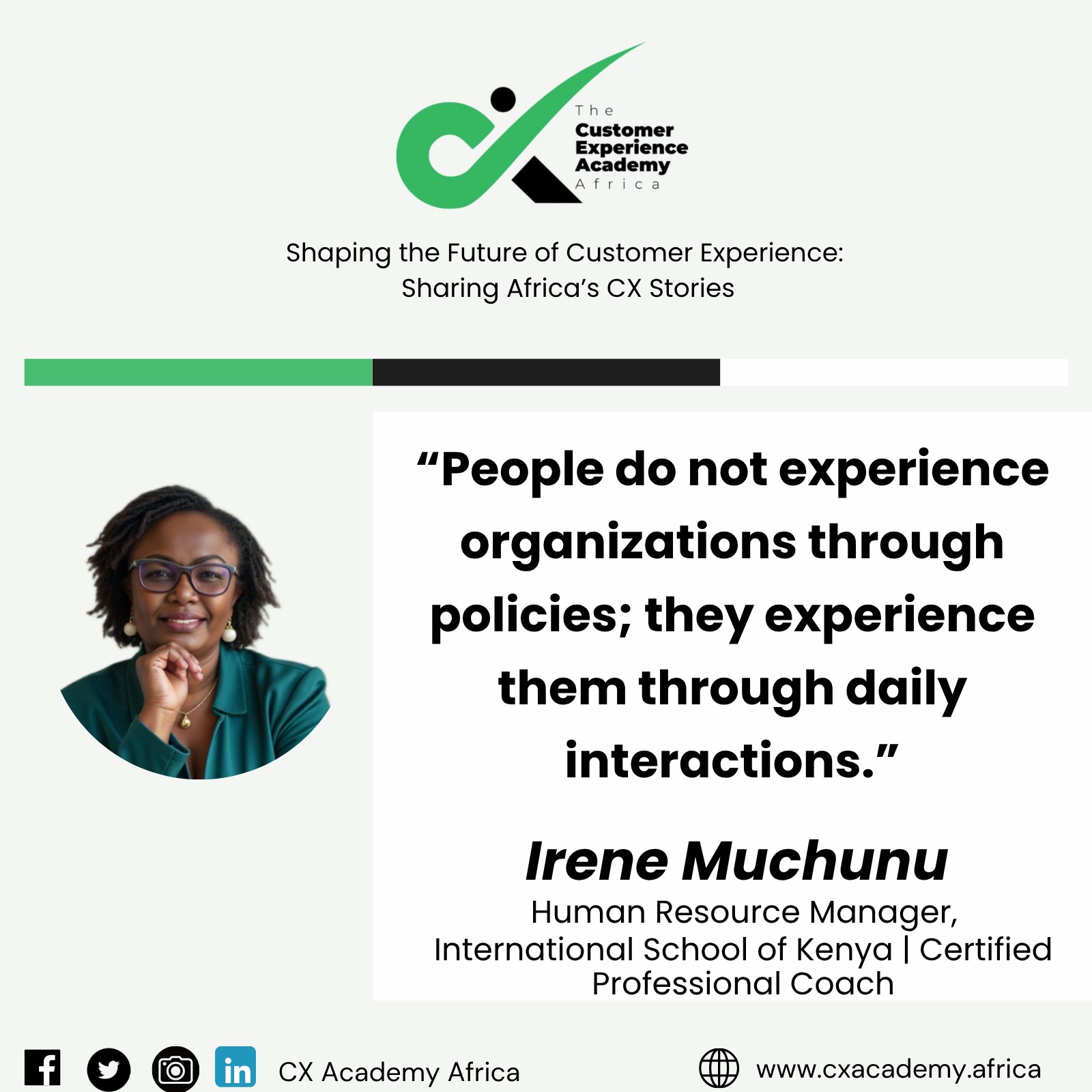
As Irene shares, employee experience is not an event, it is a system shaped every day through leadership and interactions.
Here are 10 lessons drawn from her perspective:
🌟Growth can come from unexpected starting points, you can begin in one role and evolve into another through continuous learning and opportunity.
🌟Passion for people and employee experience can be developed over time through both personal and professional growth.
🌟Employee experience is shaped by everyday interactions, it lives in the daily reality of the workplace.
🌟People do not experience organizations through policies; they experience them through daily interactions.
🌟The same policies can produce very different experiences across teams, the difference is how leaders apply them.
🌟The biggest gap is not in leadership intent, but in how that intent is translated into employees’ lived experience.
🌟What is designed for consistency can be experienced as rigidity, and what is meant to drive performance can feel like pressure.
🌟Engagement surveys do not create experience, they reveal it; what leaders do after the survey is what truly matters.
🌟Employees experience the organization through their direct managers, not through HR as a function.
🌟What employees experience internally is what customers (or students) will ultimately feel externally.